
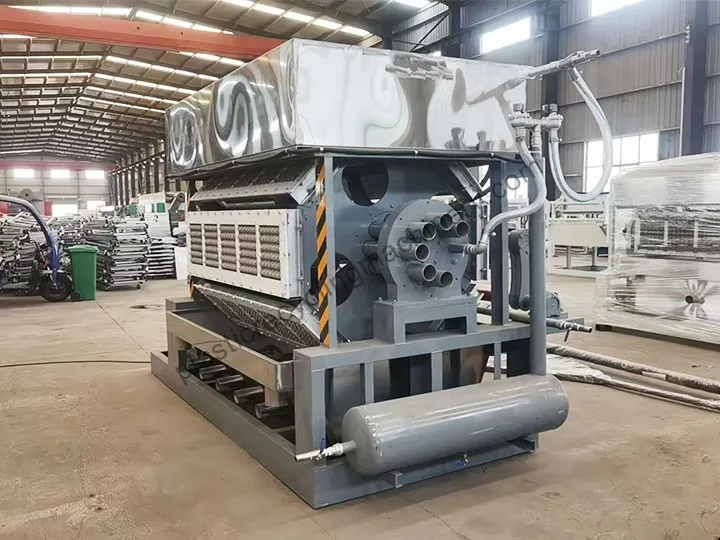
When choosing an egg tray manufacturing machine, one of the first questions is how many trays it can produce per hour. However, the right capacity is not just about choosing a larger machine. Mold arrangement, product specifications, and drying efficiency all affect the output of your egg tray production line.
We offer different forming machine configurations and drying solutions to help you select equipment according to your production targets and factory conditions.
1. What Is the Typical Capacity of an Egg Tray Manufacturing Machine?
The capacity of an egg tray making machine varies according to its configuration and production requirements. For our equipment, the reference output ranges from approximately 1,000 to 7,000 egg trays per hour, covering small, medium, and large-scale production projects. Actual output depends on the egg tray design, raw material conditions, and machine operation.
For example, a business supplying local poultry farms may have different production needs from a factory supplying wholesalers. Before choosing a model, consider your expected orders and the quantity you need to produce each day.
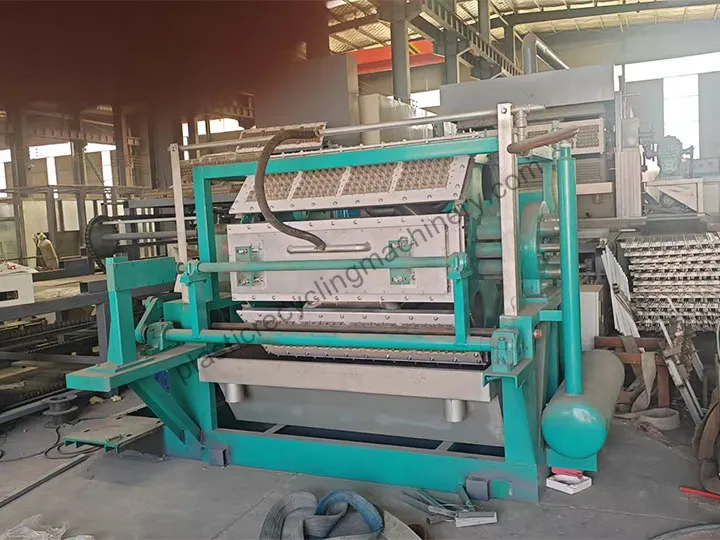
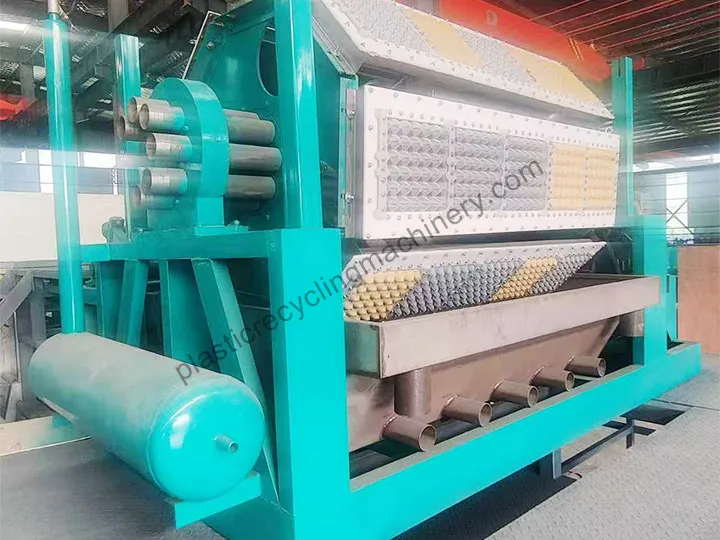
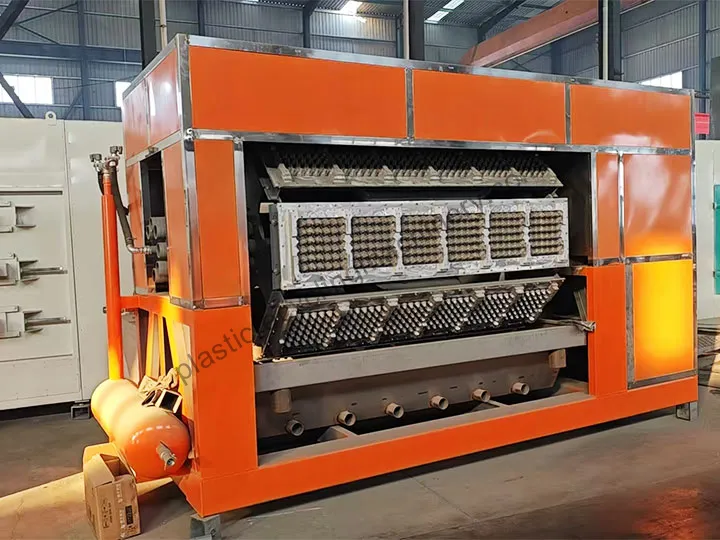
2. What Factors Affect Machine Capacity?
The production capacity of an egg tray manufacturing machine is influenced by several factors. Understanding them can help you estimate output more realistically.
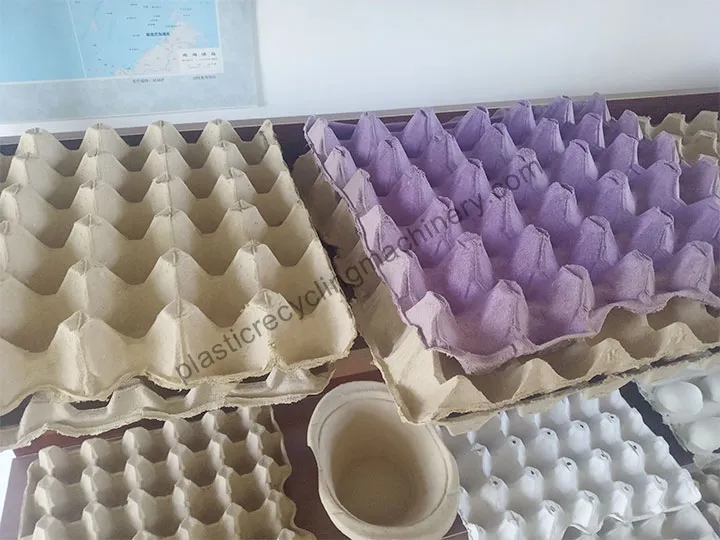
Product size and design
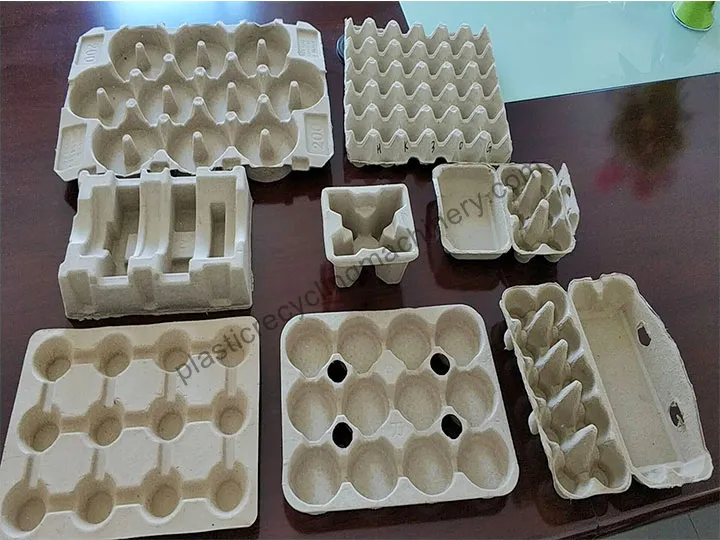
Standard egg trays, egg cartons, and fruit trays have different shapes and mold requirements. Changing the product design may affect the forming cycle and the number of products made per hour.
Raw material conditions
Waste paper must be processed into suitable pulp before forming. Differences in paper quality, fiber characteristics, and pulp consistency can affect the forming process.
Machine configuration
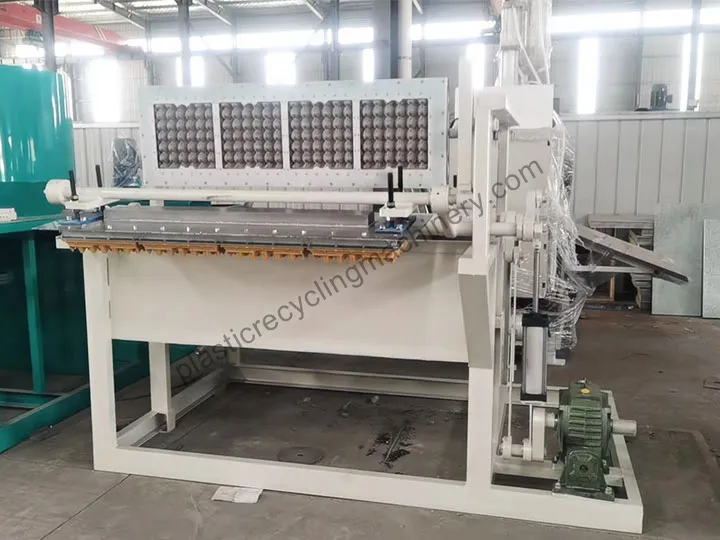
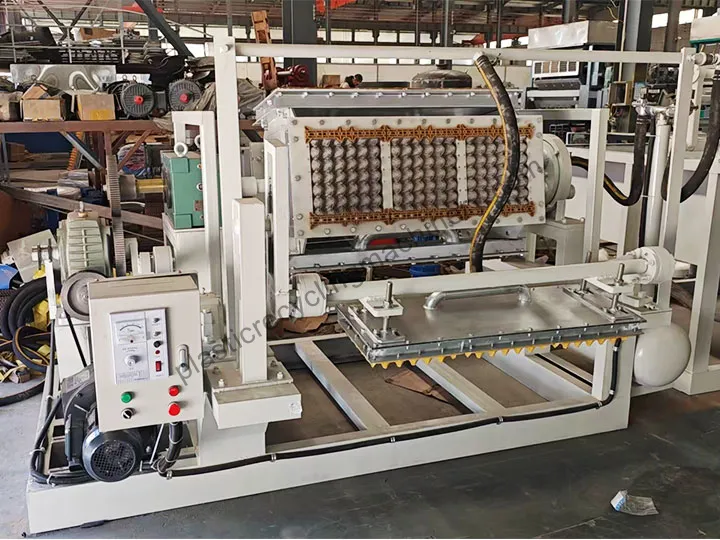
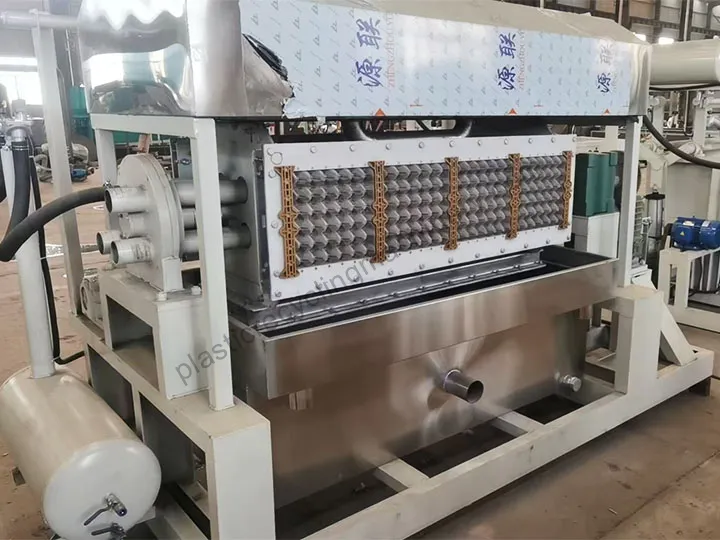
The number of forming boards and molds determines how many products can be formed during a production cycle. This is one of the key differences between machine models.
Operating conditions
Actual production also depends on machine operation, maintenance, and the coordination between forming, drying, and stacking.
When comparing equipment, look at the capacity of the complete production process rather than relying on the forming machine’s rated output alone.
3. How Does Mold Arrangement Affect Production Output?
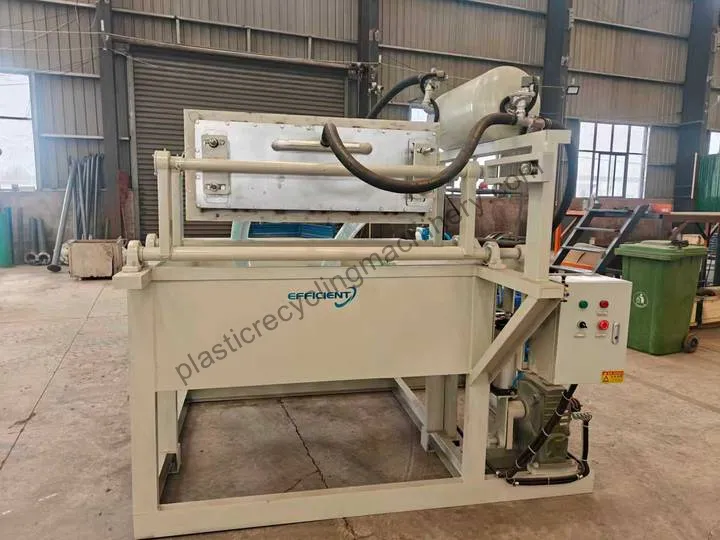
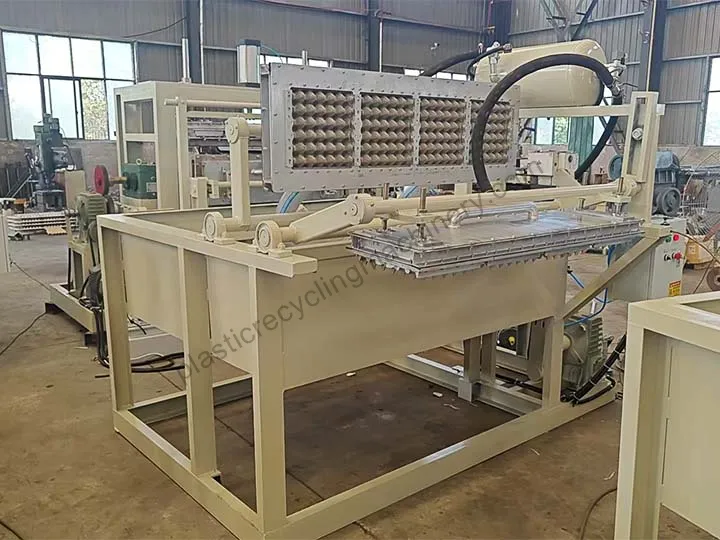
Mold arrangement is an important factor when selecting an egg tray manufacturing machine. The model numbers indicate how the molds and forming boards are arranged.
For example:
- 3×1: One board with 3 molds.
- 4×1: One board with 4 molds.
- 4×4: Four boards, each with 4 molds.
- 6×8: Eight boards, each with 6 molds.
Generally, a larger mold arrangement allows more egg trays to be formed during a production cycle, making it suitable for higher output requirements.
However, a larger model also needs matching auxiliary equipment and sufficient installation space. It is worth considering whether your drying system and factory layout can accommodate the increased production volume.
If you are unsure which model to choose, start with your target hourly output and work backward to determine the appropriate mold configuration.
4. Can the Drying System Limit Production Capacity?
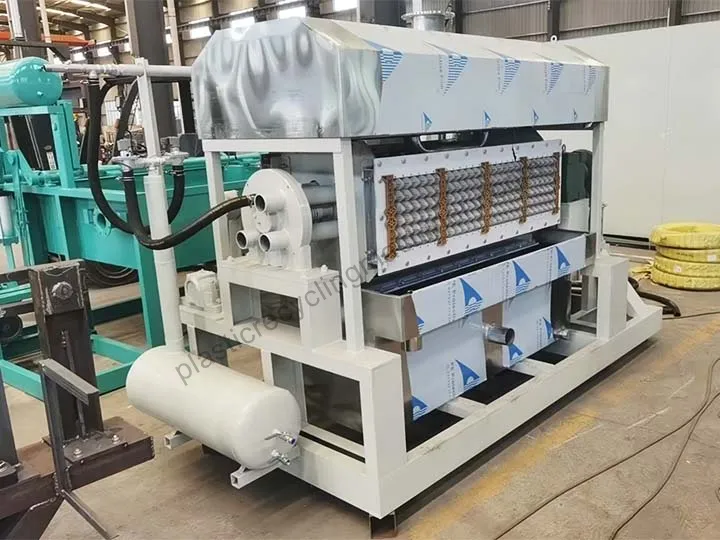
Yes. Drying can become a bottleneck if it cannot process the trays produced by the forming machine.
Freshly formed paper egg trays contain moisture and must be dried before they can be stacked and packed. If trays accumulate faster than the drying system can handle them, the overall production process may need to slow down.
We offer several drying options for different production conditions.
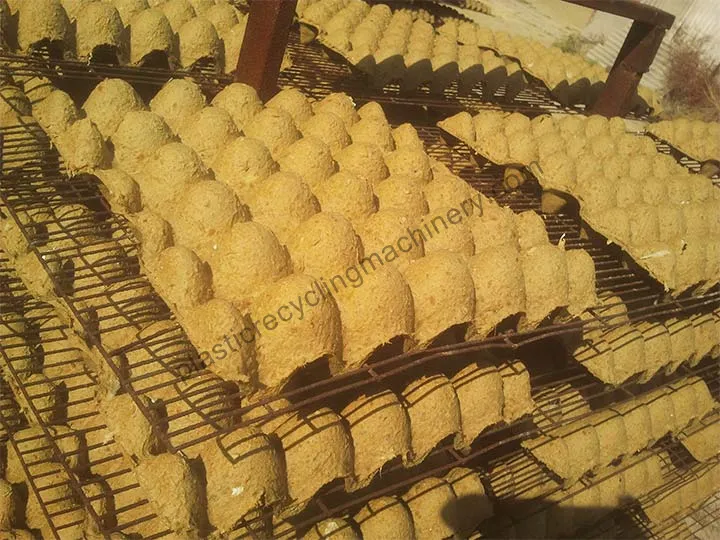
Sun drying
- Suitable when outdoor space and weather conditions allow.
- Requires less investment in drying equipment.
- Production may be affected by rain and humidity.
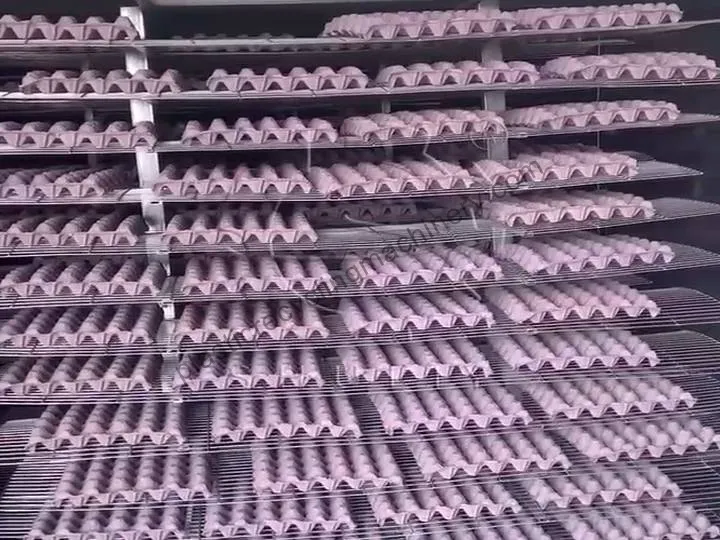
Egg tray drying box
- Provides an enclosed drying environment.
- Suitable for projects that need a relatively compact drying solution.
- Usually involves loading and unloading trays or drying carts.
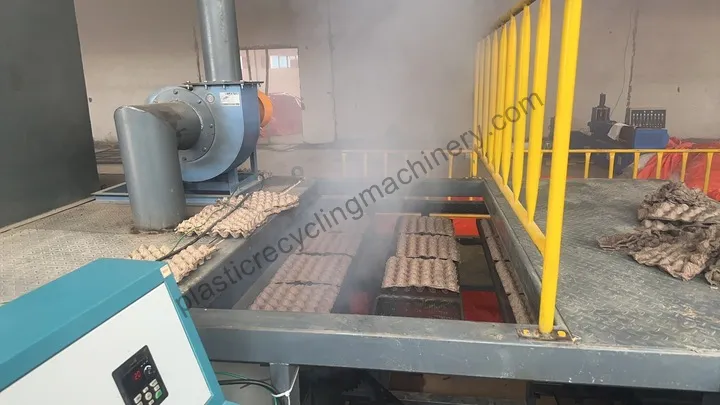
Metal drying line
- Suitable for continuous production.
- Can be configured to match different forming machine capacities.
- Requires appropriate installation space and a heating system.
Brick-built drying system
- Can be considered for medium and large production projects.
- Requires planning for the tunnel, heating system, and material movement.
The best option depends on your target output, local climate, available fuel, and factory layout. When selecting an egg tray manufacturing machine, make sure the drying section can keep up with the planned forming capacity.
5. How Do You Choose the Right Capacity for Your Business?
A machine with the highest output is not necessarily the best choice for every business. The goal is to select a configuration that meets your production needs without creating unnecessary investment or operating costs.
Before making a decision, consider these questions:
- What is your target output? Estimate your expected daily orders and required hourly production.
- What products will you manufacture? Confirm the tray size, shape, and number of eggs per tray.
- How much factory space do you have? Include space for pulping, forming, drying, and finished product storage.
- Which drying method suits your location? Consider the local climate and available fuel.
- How much automation do you need? Decide whether manual handling is acceptable or whether stacking and packing equipment should be included.
For a smaller project, a 3×1 or 4×1 egg tray manufacturing machine may be worth considering. For higher production targets, models such as 3×4, 4×4, 4×8, 5×8, or 6×8 may be more appropriate.
The final selection should be based on the entire production setup, not just one machine’s specifications.
Contact Us to Choose the Right Egg Tray Production Equipment
Selecting the right egg tray manufacturing machine starts with understanding your production target, product requirements, and local operating conditions.
We can help you compare forming machine models, select a suitable mold arrangement, and configure a drying system to match your needs.
To help us recommend a suitable solution, please share:
- Your required output per hour
- The type and size of egg trays you want to produce
- Your available factory dimensions
- Your local voltage and available heating fuel
Contact us to discuss your project and find an egg tray production configuration that fits your business.