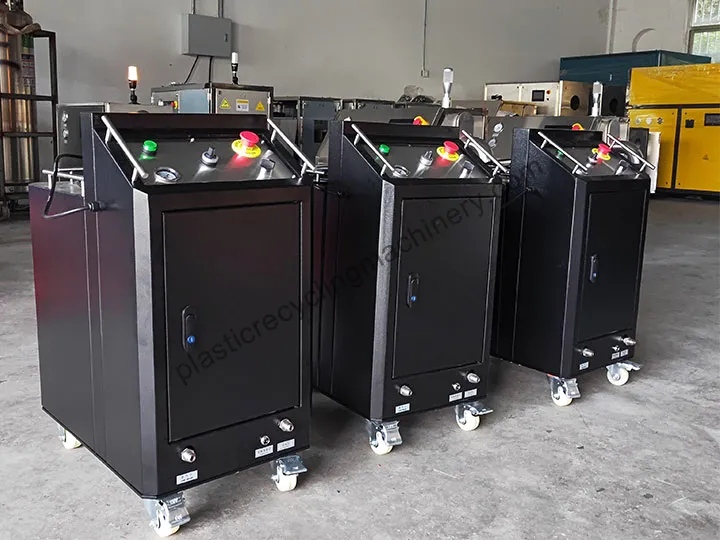
Máy làm sạch bằng đá khô là một công nghệ làm sạch công nghiệp hiệu quả cao, được sử dụng rộng rãi trong sản xuất và bảo trì. So với việc rửa bằng nước truyền thống, làm sạch hóa chất, hoặc phun cát, làm sạch bằng đá khô loại bỏ các chất ô nhiễm mà không làm hỏng bề mặt. Nhưng tại sao nó lại an toàn như vậy? Hãy cùng khám phá nguyên lý hoạt động của nó.
Làm sạch Băng khô là gì?
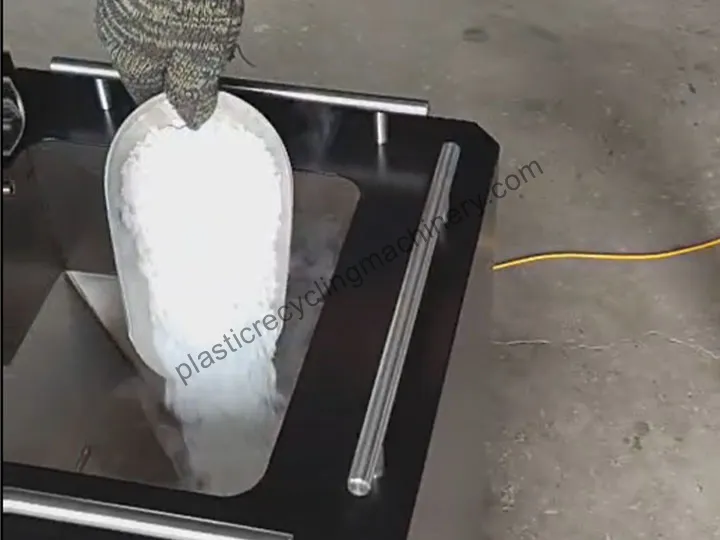
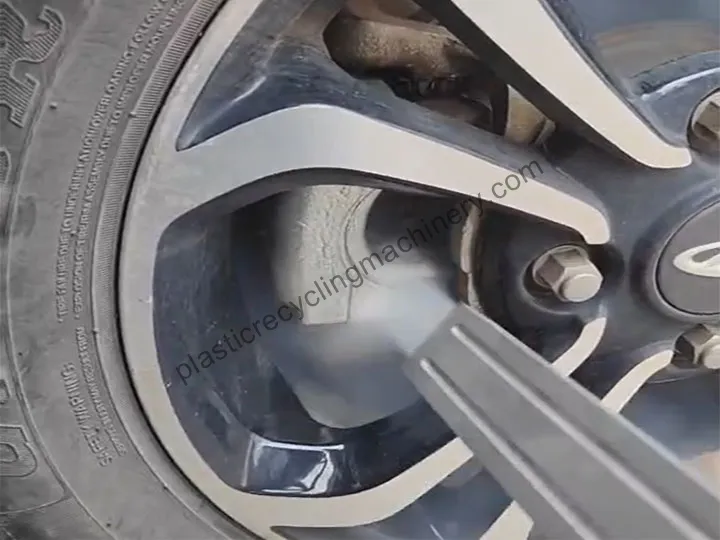
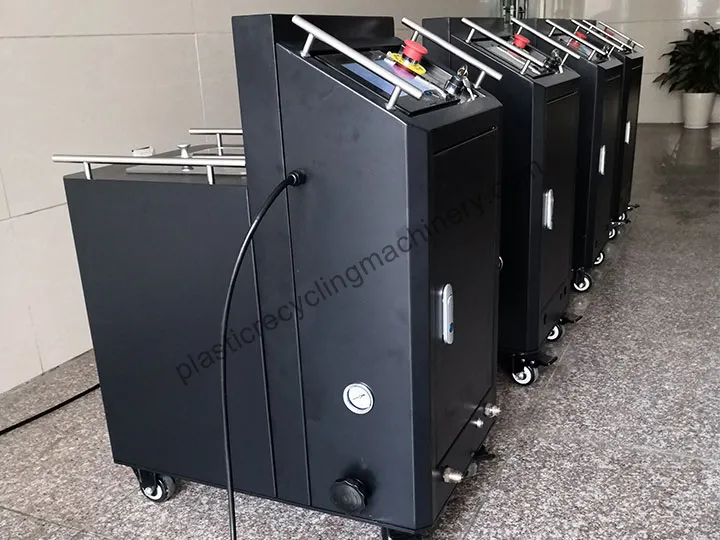
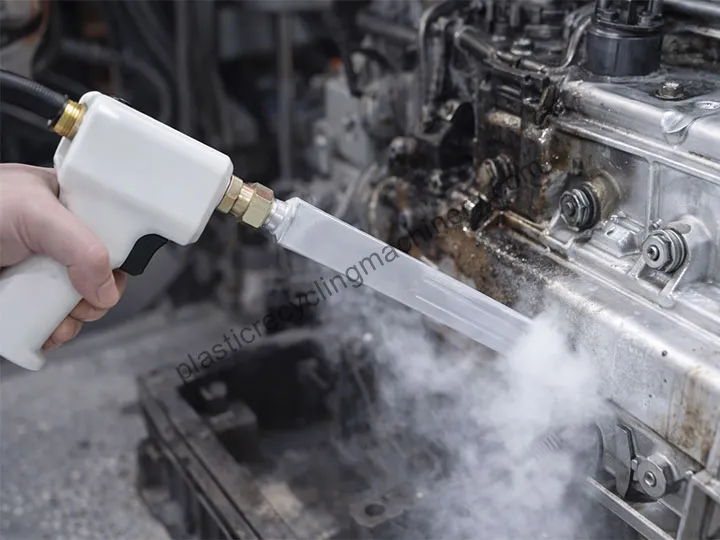
Dry ice cleaning machine uses solid CO₂ pellets that are accelerated by compressed air and sprayed onto surfaces to remove contaminants.
Đá khô thăng hoa ngay lập tức khi tiếp xúc với bề mặt, có nghĩa là nó chuyển trực tiếp từ rắn sang khí mà không để lại bất kỳ dư lượng nào.
Ba Nguyên Tắc Cốt Lõi của Vệ Sinh Bằng Đá Khô
1. Tác Động Động Năng (Hiệu Ứng Động Lực)
Các hạt đá khô tốc độ cao va chạm với lớp chất ô nhiễm và tạo ra một lực tác động ngay lập tức làm gãy liên kết giữa bụi bẩn và bề mặt.
Điểm chính:
Đá khô mềm hơn nhiều so với kim loại hoặc hầu hết các bề mặt thiết bị, vì vậy nó loại bỏ các chất ô nhiễm mà không làm xước hoặc mài mòn.
2. Sốc Nhiệt (Hiệu Ứng Nứt Giòn)
Đá khô có nhiệt độ khoảng -78,5°C, làm lạnh nhanh chóng các chất ô nhiễm khi tiếp xúc.
Kết Quả:
Bụi bẩn trở nên giòn và nứt, tách ra khỏi nền tảng do sự khác biệt về căng thẳng nhiệt.
3. Sự Giãn Nở Thăng Hoa (Hiệu Ứng Vi Phân Nổ)
Khi đá khô va chạm với bề mặt, nó ngay lập tức thăng hoa, giãn nở gần 700 lần thể tích.
Hiệu Ứng:
Sự giãn nở nhanh chóng này nâng các chất ô nhiễm lên từ bên dưới, nâng cao hiệu suất vệ sinh.
Tại Sao Máy Vệ Sinh Bằng Đá Khô Không Làm Hỏng Bề Mặt?
1. Phương Tiện Không Mài Mòn
Đá khô là một phương tiện vệ sinh mềm, không giống như cát hoặc hạt thép, vì vậy nó không gây mài mòn bề mặt.
2. Không Có Nước Hoặc Hư Hại Hóa Chất
- Không có nước → ngăn ngừa rỉ sét và các vấn đề điện
- Không có hóa chất → tránh ăn mòn và ô nhiễm
3. Nhắm Mục Tiêu Vào Các Chất Ô Nhiễm, Không Phải Nền Tảng
Vệ sinh bằng đá khô tác động lên lớp ô nhiễm thay vì vật liệu nền.
4. Quy Trình Có Thể Kiểm Soát Cao
Áp suất, kích thước viên, và khoảng cách phun có thể được điều chỉnh cho các mức độ chính xác vệ sinh khác nhau.
Các Ứng Dụng Điển Hình
- Vệ sinh khuôn (khuôn nhựa, cao su, lốp xe)
- Vệ sinh thiết bị chế biến thực phẩm
- Bảo trì điện và động cơ
- Vệ sinh thiết bị in ấn
- Bảo trì các bộ phận ô tô và hàng không
Lợi ích của Máy Vệ Sinh Bằng Đá Khô
- Không hư hại bề mặt
- Không cần vệ sinh thứ cấp
- Thân thiện với môi trường
- Có thể sử dụng trực tuyến mà không cần dừng máy
Phần kết luận
Vệ sinh bằng đá khô không làm hỏng bề mặt vì nó kết hợp tác động động năng, sốc nhiệt và sự giãn nở thăng hoa để loại bỏ các chất ô nhiễm một cách hiệu quả mà không làm hại đến nền tảng.
Looking for dry ice cleaning machines or solutions?
WhatsApp: +8617303821432
Chúng tôi cung cấp các khuyến nghị thiết bị tùy chỉnh dựa trên ngành của bạn và điều kiện làm việc.