
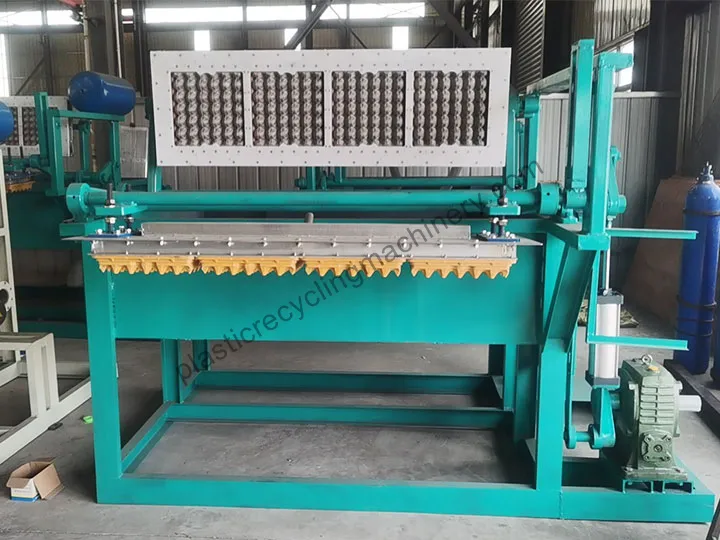
If you are planning to start an egg tray manufacturing business, one of the first questions you may have is: How much does an egg tray machine cost?
There is no single price for every egg tray machine. The total investment depends on several factors, including production capacity, forming machine configuration, pulp preparation system, drying method, mold type, and level of automation.
For this reason, two egg tray production lines with different configurations can have quite different prices. Understanding these factors can help you choose a machine according to your actual production requirements.
What Affects the Cost of an Egg Tray Making Machine?
An egg tray production line usually includes several processes, such as waste paper pulping, pulp preparation, tray forming, dewatering, drying, stacking, and packing.
The equipment required for each process can affect the total investment.
1. Production Capacity
Production capacity is one of the main factors affecting the cost of an egg tray making machine.
For example, a customer who needs around 1,000–1,500 trays per hour may choose a smaller forming machine, while a customer targeting 2,500–3,000 trays per hour may need a larger forming system and a higher-capacity drying system.
A higher production capacity usually means more forming molds, greater pulp processing capacity, and a larger drying capacity.
Therefore, it is better to determine your target output before selecting a machine.
2. Pulp Preparation Equipment
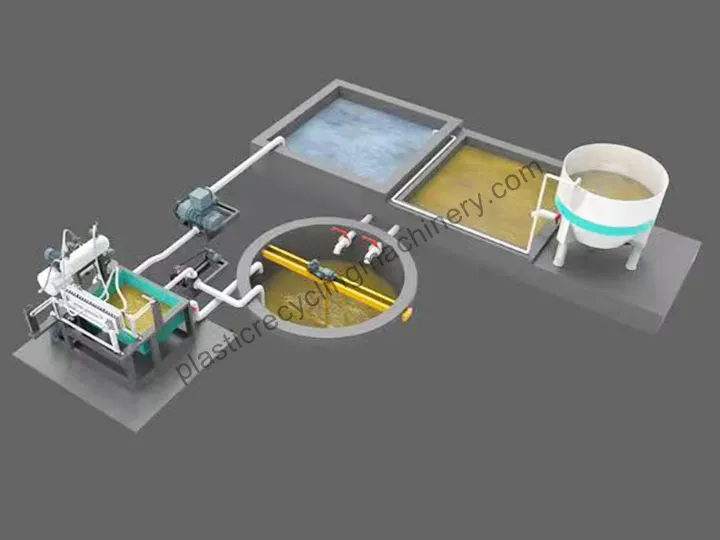
Egg trays are made from waste paper pulp, so the pulp preparation process is also important.
A typical system may include a pulper and other pulp preparation equipment. The waste paper is first mixed with water and processed into pulp before being prepared for the forming process.
The required pulp preparation capacity should match the forming machine.
If the forming machine has a high production capacity but the pulp preparation system is too small, it may become a production bottleneck.
3. Forming Machine Configuration
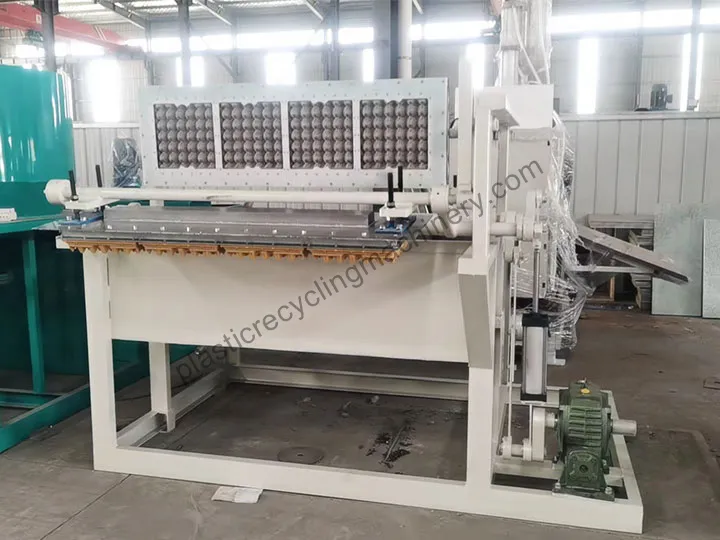
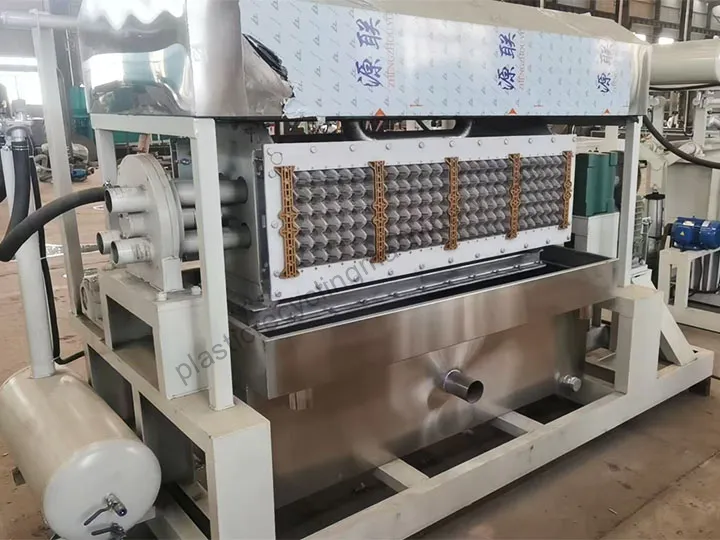
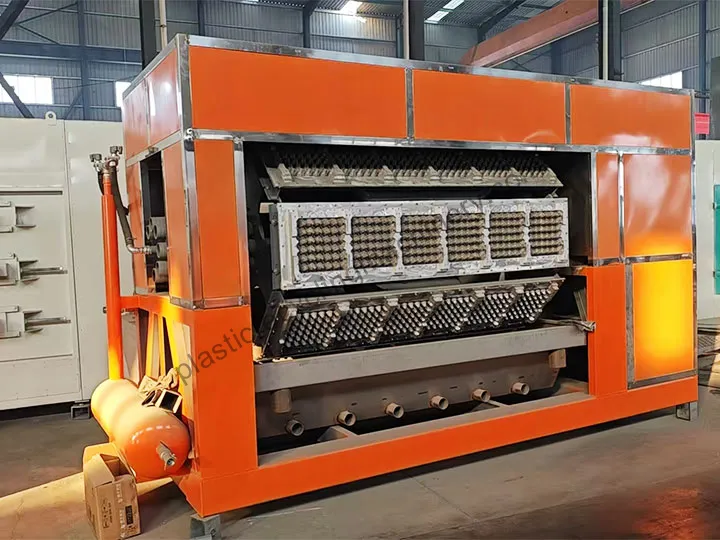
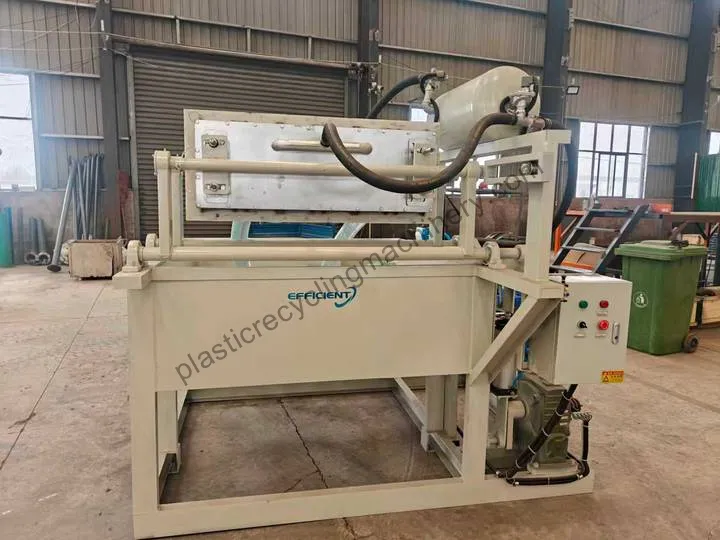
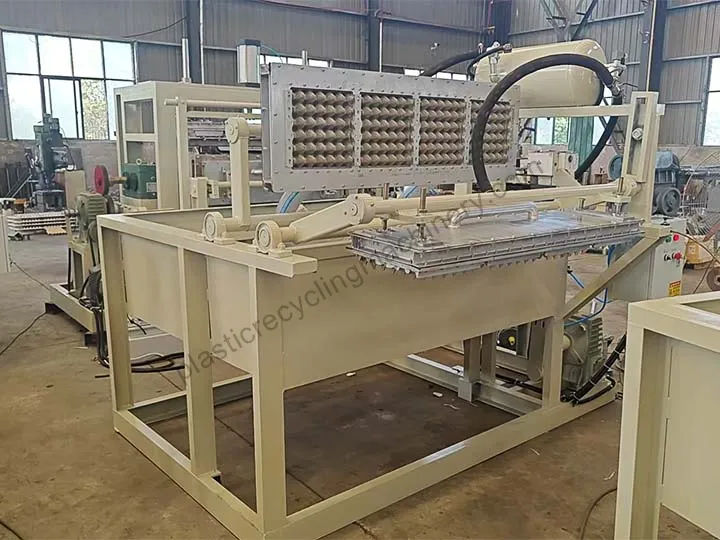
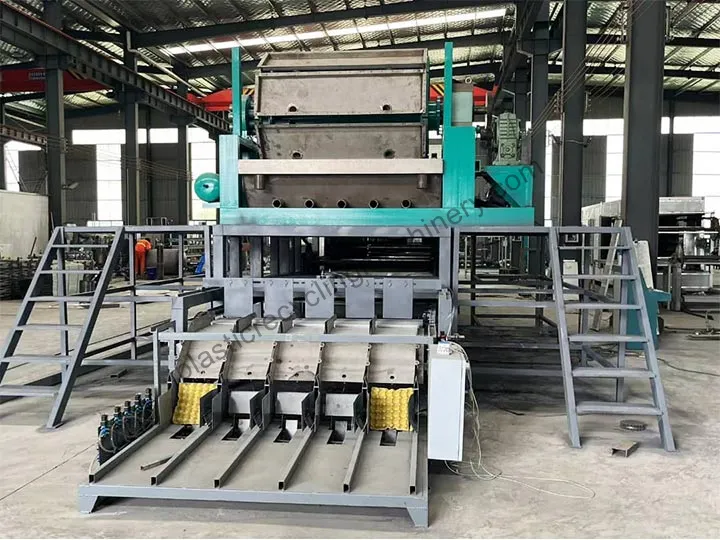
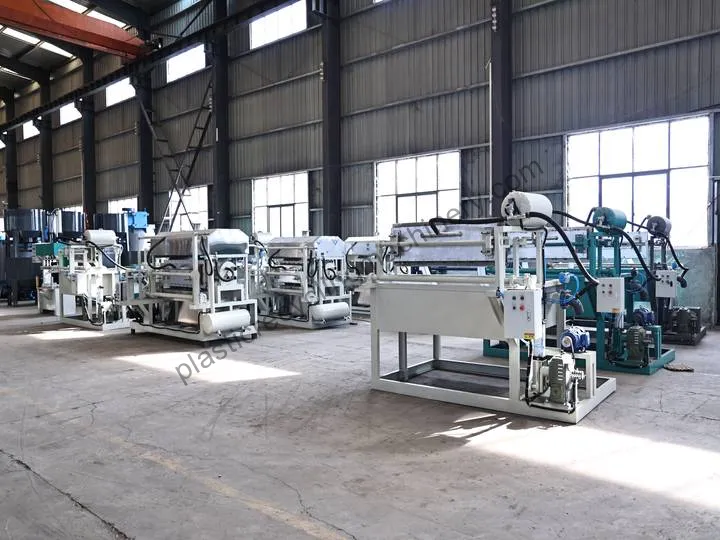
The egg tray forming machine is the main part of the egg tray production process. Different configurations can produce different numbers of trays during each forming cycle.
For example, configurations such as 3×1, 4×1, 3×4, 4×4, and 6×8 can be used according to different production requirements.
The numbers describe the arrangement of molds on the forming system. A 3×1 configuration, for example, uses three molds on one board, while a 4×4 configuration uses four boards with four molds on each board.
The appropriate configuration depends on the required capacity, product size, and production plan.
4. Drying System
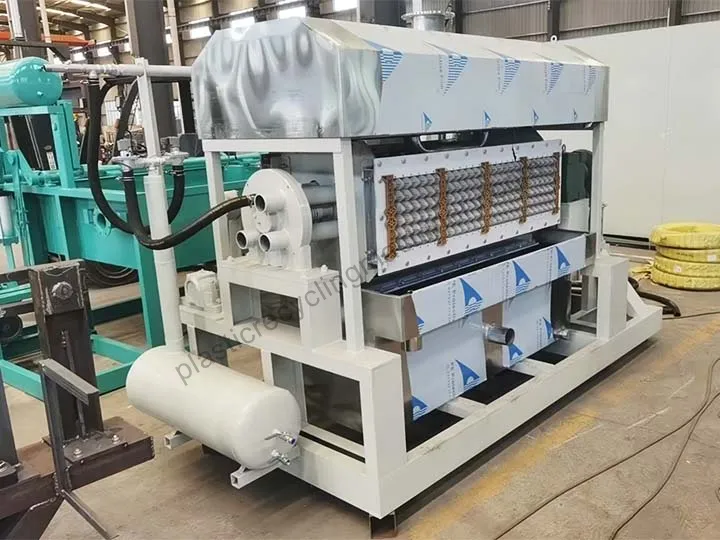
The drying system is another important part of the investment.
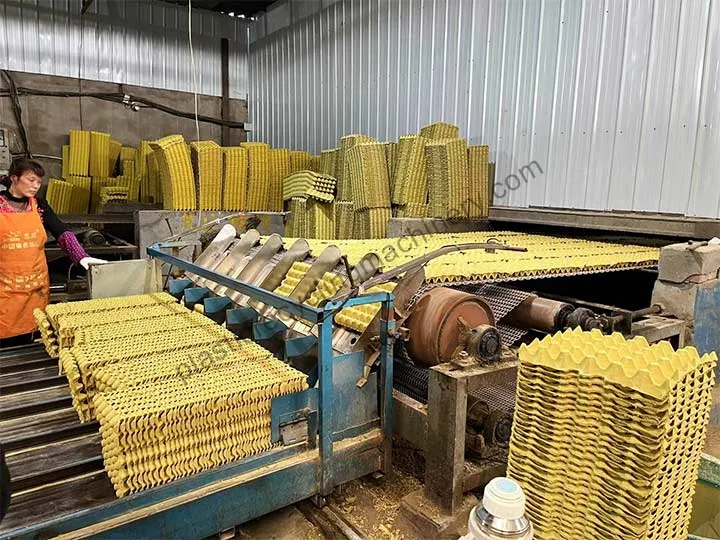
Freshly formed paper egg trays contain a significant amount of moisture and need to be dried before they can be packed and sold.
Depending on the production capacity, local climate, available space, and project requirements, different drying methods can be considered.
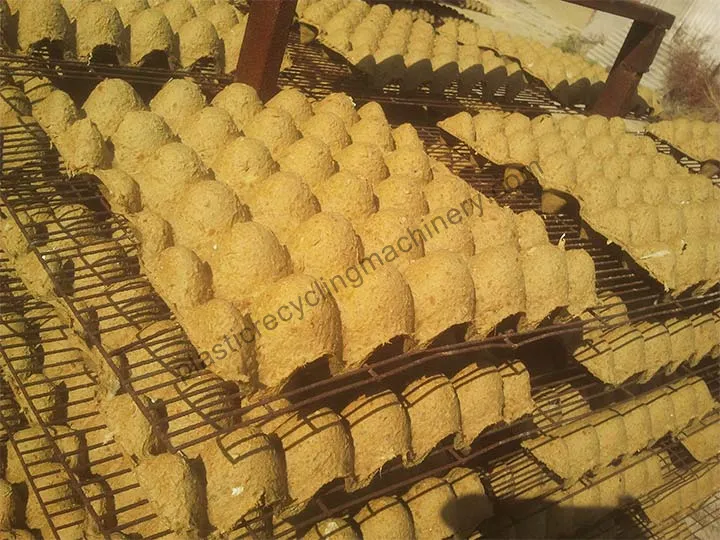
Natural Drying
For smaller production projects and areas with suitable weather conditions, natural drying can be an option.
It requires less drying equipment, but it needs sufficient space and suitable weather conditions. Production can also be affected by rain, humidity, and seasonal changes.
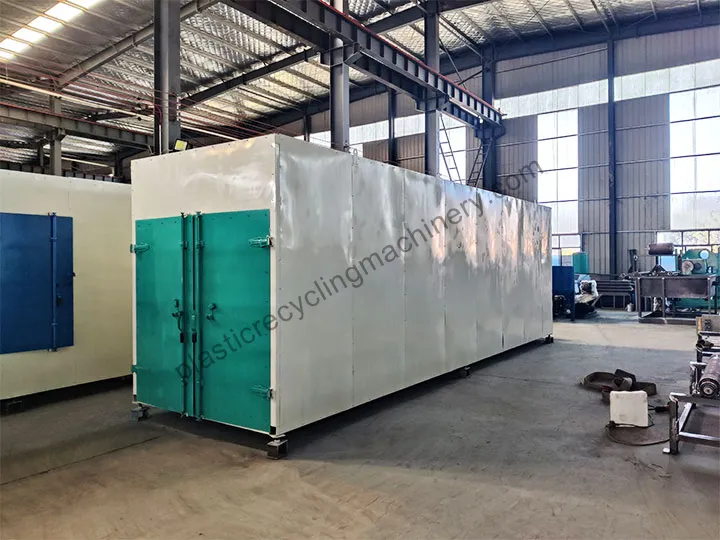
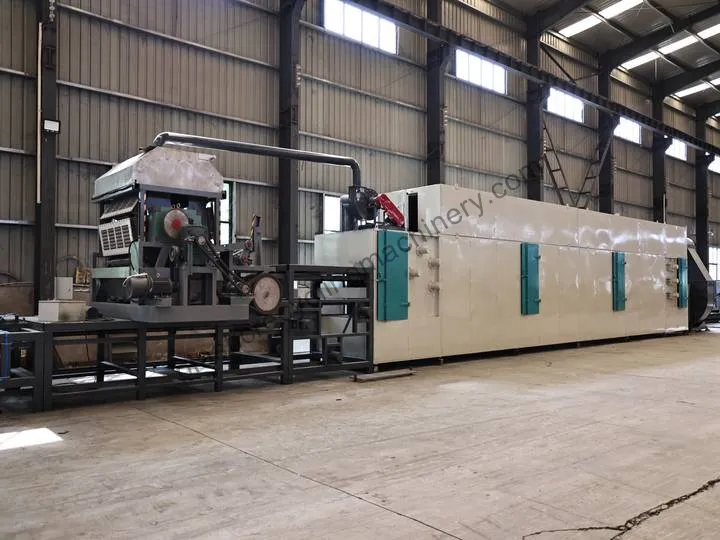
Drying Box
A drying box is suitable for egg tray production where the formed trays are manually placed inside the drying chamber for drying.
Compared with natural drying, a drying box can reduce the impact of weather conditions on production. After forming, the wet egg trays are placed inside the drying box and dried using hot air.
This method generally requires a lower investment than a large continuous metal drying line, making it suitable for some small- and medium-scale egg tray production projects.
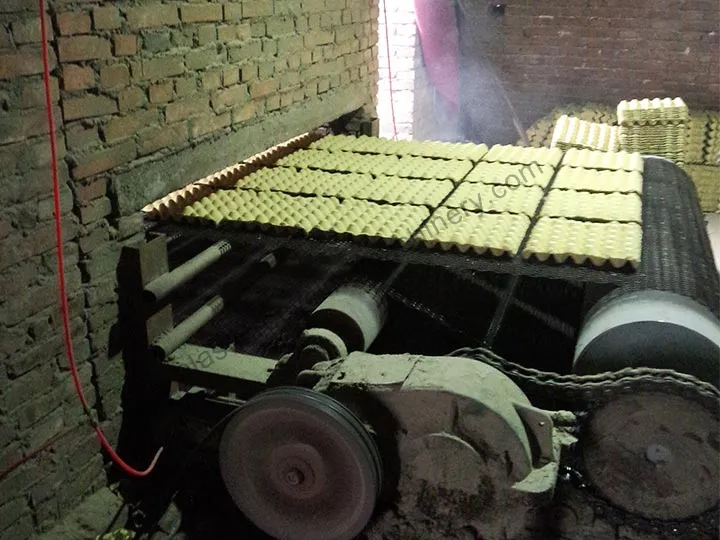
Brick Drying System
A brick drying system can provide a dedicated drying area for egg trays. It can be considered for projects that require a more controlled drying process without using a large metal drying line.
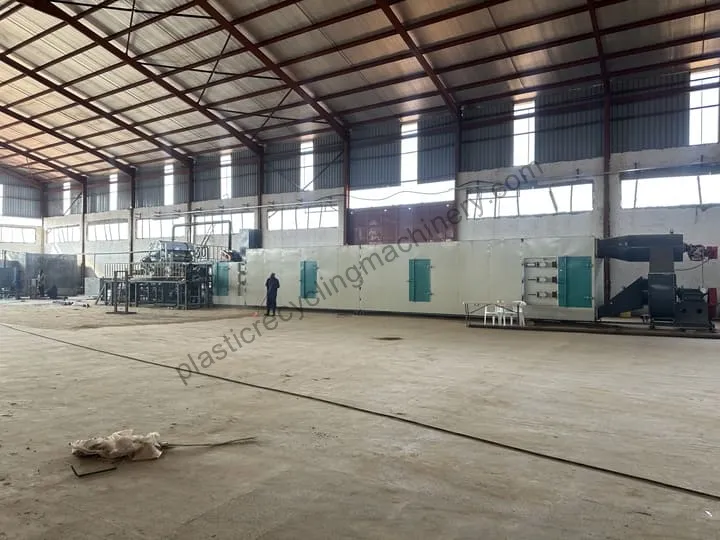
Metal Drying Line
For higher-capacity production, a metal drying line can be used to continuously transport and dry the formed egg trays.
The metal drying system generally requires a higher initial investment, but it can be suitable when the customer needs continuous production and has a higher output target.
Therefore, when comparing egg tray machine prices, it is important to compare the complete drying solution, rather than looking only at the forming machine.
5. Egg Tray Molds
The mold is another factor that can affect the machine configuration and investment.
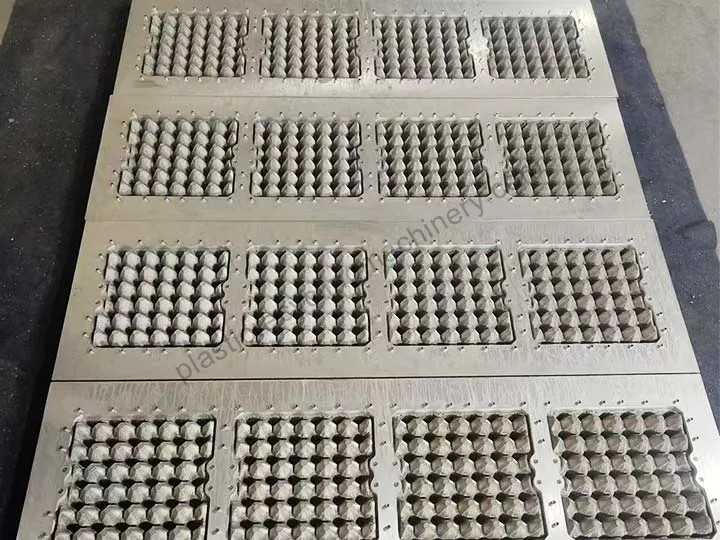
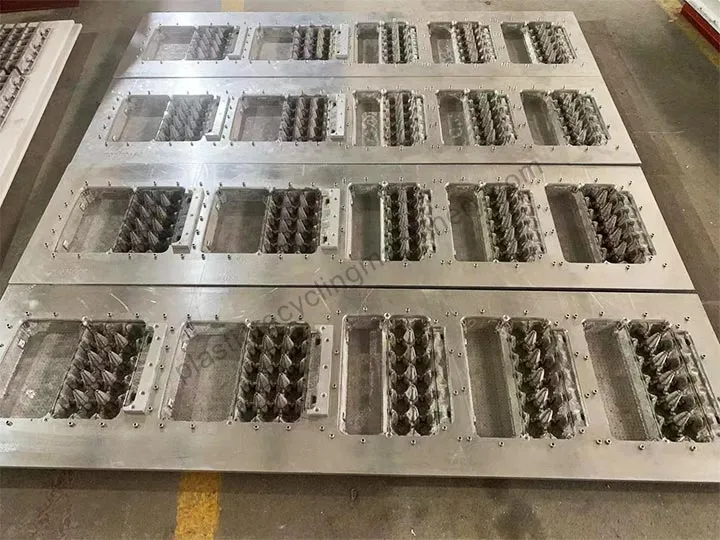
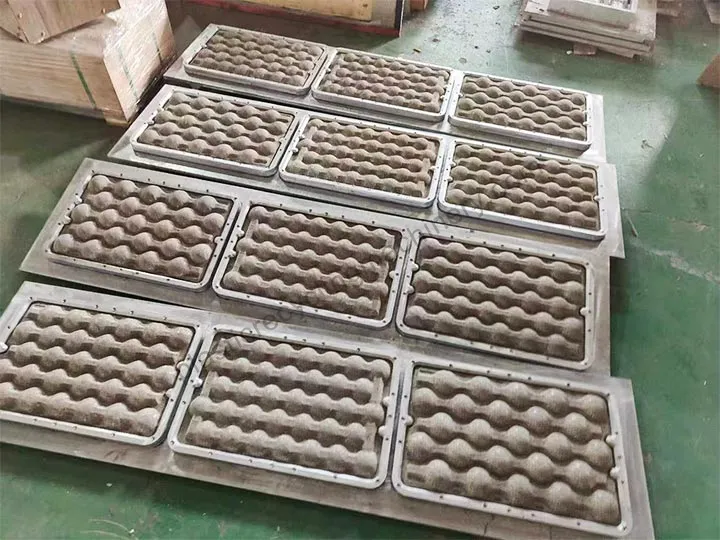
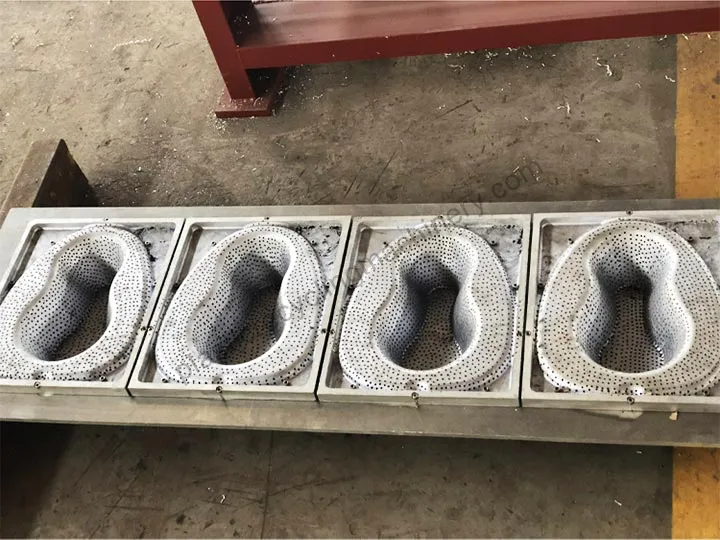
Different customers may need different egg tray sizes or product designs. For example, molds can be designed for different numbers of eggs or customized according to the customer’s requirements.
If you want to produce different pulp-molded products, such as egg trays, egg boxes, fruit trays, or cup trays, additional molds may also be required.
Therefore, before ordering an egg tray machine, it is useful to confirm:
- The number of eggs per tray
- Egg size
- Tray dimensions
- Product weight
- Whether different products need to be produced
- Whether customized molds are required
6. Level of Automation
Automation is another factor that can influence the overall investment.
A basic production line may require more manual operation for tray transfer, stacking, or packing. A more automated system can reduce manual handling and provide a more continuous production process.
For example, automatic stacking and packing equipment can be added according to the customer’s production requirements.
The right level of automation depends on the expected output, available workers, factory layout, and budget.
Not every project needs the highest level of automation. For some customers, a simpler configuration may be more suitable.
Why Do Egg Tray Machine Suppliers Offer Different Prices?
It is common to find different prices when comparing egg tray machine suppliers.
However, the difference is not necessarily caused by the machine itself.
One quotation may include only the forming machine, while another may include the pulping system, drying system, conveyors, stacking equipment, and other auxiliary machines.
There can also be differences in:
- Production capacity
- Forming machine configuration
- Mold quantity
- Drying method
- Motor specifications
- Automation level
- Auxiliary equipment
- Installation requirements
- Customized components
Therefore, comparing only the final quotation may not give you a complete picture.
It is better to compare the equipment configuration and production capacity included in each quotation.
How to Choose an Egg Tray Machine According to Your Budget
Instead of starting with a fixed machine price, we recommend starting with your production requirements.
Consider the following questions:
How many egg trays do you want to produce per hour?
This determines the required forming capacity.
What type of waste paper is available?
This helps determine the pulp preparation requirements.
How will the trays be dried?
The choice between natural drying, drying box, a brick drying system, and a metal drying line can significantly affect the overall project configuration.
How much factory space is available?
The factory layout needs to accommodate the pulping, forming, drying, stacking, and packing processes.
Do you need customized molds?
If you want to produce different tray sizes or other pulp-molded products, the mold design needs to be considered before ordering.
Get a Complete Egg Tray Production Line Configuration
The cost of an egg tray manufacturing project should not be evaluated based on the forming machine alone.
A complete egg tray production line may include:
Waste Paper → Pulping → Pulp Preparation → Egg Tray Forming → Drying → Stacking → Packing
At Shuliy Machinery, we can configure the equipment according to your required production capacity, product type, available factory space, and drying conditions.
If you are planning to invest in an egg tray machine, send us your target capacity and the type of egg tray you want to produce. We can recommend a suitable production line configuration based on your requirements.