
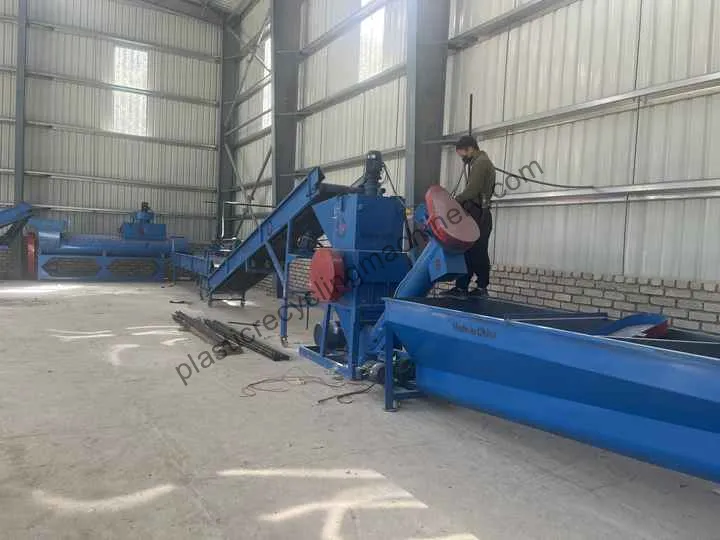
Proper maintenance and care of plastic recycling equipment is essential for ensuring optimal performance, extending equipment lifespan, and reducing operational costs. This comprehensive guide provides detailed maintenance procedures for various types of plastic recycling equipment, including crushers, shredders, washers, dryers, and pelletizing machines. For specific maintenance tips on granulators, you can also refer to our article on how to maintain waste plastic granulator to improve efficiency.
Daily Maintenance Procedures
Daily maintenance is crucial for keeping your plastic recycling equipment in good working condition. Here are the essential daily maintenance tasks for different types of equipment:
1. Crushers and Shredders
- Cleaning: Remove any plastic residue or debris from the crushing chamber and blades after each shift.
- Lubrication: Check and lubricate moving parts as needed, following the manufacturer’s recommendations.
- Inspection: Inspect blades for wear and damage. Replace blades that are dull or cracked.
- Tightening: Check and tighten all bolts and fasteners to prevent vibration and damage.
2. Washing Equipment
- Cleaning: Remove any debris or sediment from wash tanks and filters.
- Water Quality: Check water quality and adjust chemical levels as needed.
- Nozzle Inspection: Inspect and clean spray nozzles to ensure proper water flow.
- Pump Check: Check pumps for leaks and proper operation.
3. Drying Equipment
- Cleaning: Remove any plastic residue from drying chambers and filters.
- Airflow Check: Ensure proper airflow through the drying system.
- Temperature Check: Verify that drying temperatures are within the recommended range.
- Fan Inspection: Check fans for proper operation and lubricate as needed.
4. Pelletizing Equipment
- Cleaning: Remove any plastic residue from the extruder barrel, die head, and pellet cutter.
- Barrel Temperature Check: Verify that barrel temperatures are within the recommended range for the plastic type being processed.
- Screw Inspection: Check the extruder screw for wear and damage.
- Die Head Cleaning: Clean the die head regularly to prevent buildup.
- Pellet Cutter Check: Inspect the pellet cutter blades for sharpness and adjust as needed.
Regular Servicing (Weekly/Monthly)
In addition to daily maintenance, regular servicing is necessary to keep your equipment operating at peak efficiency. Here’s a schedule for weekly and monthly maintenance tasks:
Weekly Maintenance
- Comprehensive Cleaning: Perform a thorough cleaning of all equipment components.
- Lubrication: Lubricate all moving parts according to the manufacturer’s specifications.
- Belt Inspection: Check belts for wear and tension, adjust as needed.
- Electrical Connections: Inspect electrical connections for loose wires or damage.
- Safety Features: Test safety features and emergency stops to ensure they function properly.
Monthly Maintenance
- Blade Sharpening/Replacement: Sharpen or replace blades that have become dull.
- Filter Replacement: Replace air and water filters as needed.
- Pressure Checks: Check hydraulic and pneumatic systems for leaks and proper pressure.
- Alignment Check: Check and adjust equipment alignment to prevent premature wear.
- Calibration: Calibrate temperature sensors, pressure gauges, and other monitoring devices.
Seasonal and Annual Maintenance
Seasonal and annual maintenance is essential for addressing wear and tear that occurs over time. Here’s what to include in your seasonal and annual maintenance schedule:
Seasonal Maintenance
- Cooling System Service: Clean and service cooling systems before summer to prevent overheating.
- Heating System Check: Inspect heating systems before winter to ensure proper operation.
- Weatherproofing: Check and seal equipment to protect against weather damage.
Annual Maintenance
- Major Overhaul: Perform a complete inspection and overhaul of equipment components.
- Motor Service: Service motors and replace bearings as needed.
- Control System Check: Test and calibrate control systems and software.
- Safety Inspection: Conduct a comprehensive safety inspection and update safety procedures as needed.
- Performance Testing: Test equipment performance and make adjustments to optimize efficiency.
Troubleshooting Common Issues
Even with proper maintenance, issues can still arise. Here are common problems and their solutions:
1. Crushers and Shredders
| Issue | Possible Cause | Solution |
|---|---|---|
| Low crushing efficiency | Dull blades | Sharpen or replace blades |
| Excessive vibration | Unbalanced rotor | Balance rotor or replace damaged parts |
| Overheating | Inadequate lubrication | Lubricate moving parts |
| Jamming | Foreign objects in chamber | Remove foreign objects and clear jam |
2. Pelletizing Equipment
| Issue | Possible Cause | Solution |
|---|---|---|
| Uneven pellet size | Dull cutter blades | Sharpen or replace cutter blades |
| Extruder not feeding | Blocked hopper | Clear hopper and check feed system |
| Black spots in pellets | Residue buildup in barrel | Clean barrel and die head |
| Low output | Worn screw or barrel | Replace worn components |
3. Washing Equipment
| Issue | Possible Cause | Solution |
|---|---|---|
| Poor cleaning results | Inadequate water temperature | Adjust water temperature |
| Water leaks | Damaged seals or hoses | Replace damaged components |
| Low water pressure | Clogged filters | Clean or replace filters |
Maintenance Best Practices
- Keep Records: Maintain detailed maintenance records, including dates, tasks performed, and any issues found.
- Train Staff: Ensure all operators are properly trained in equipment operation and basic maintenance procedures.
- Follow Manufacturer Guidelines: Adhere to the manufacturer’s maintenance recommendations for each piece of equipment.
- Use Quality Parts: Always use high-quality replacement parts to ensure equipment reliability.
- Schedule Regular Inspections: Conduct regular inspections to identify potential issues before they become major problems.
- Plan for Downtime: Schedule maintenance during planned downtime to minimize production disruptions.
Efficient’s Maintenance Support
Efficient offers comprehensive maintenance support for all our plastic recycling equipment. Our services include:
- Maintenance Training: Training for your staff on proper equipment maintenance procedures.
- Preventive Maintenance Programs: Customized maintenance programs tailored to your specific equipment and production needs.
- Technical Support: 24/7 technical support for troubleshooting and emergency repairs.
- Spare Parts Supply: Fast delivery of genuine spare parts to minimize downtime.
- Equipment Upgrades: Recommendations for equipment upgrades to improve performance and efficiency.
Our plastic recycling equipment is designed for durability and ease of maintenance, but regular care is still essential to ensure optimal performance and longevity.
Conclusion
Proper maintenance and care of plastic recycling equipment is essential for maximizing equipment lifespan, reducing operational costs, and ensuring consistent production quality. By following the maintenance procedures outlined in this guide, you can keep your equipment running smoothly and efficiently.
Remember that regular maintenance is an investment in the long-term success of your recycling operation. By taking proactive steps to care for your equipment, you can avoid costly repairs and downtime, and ensure that your plastic recycling plant operates at peak efficiency.
If you have any questions about maintenance procedures for your specific equipment, or if you need assistance with troubleshooting, please don’t hesitate to contact us. Our team of experts is ready to help you keep your equipment in top condition.