
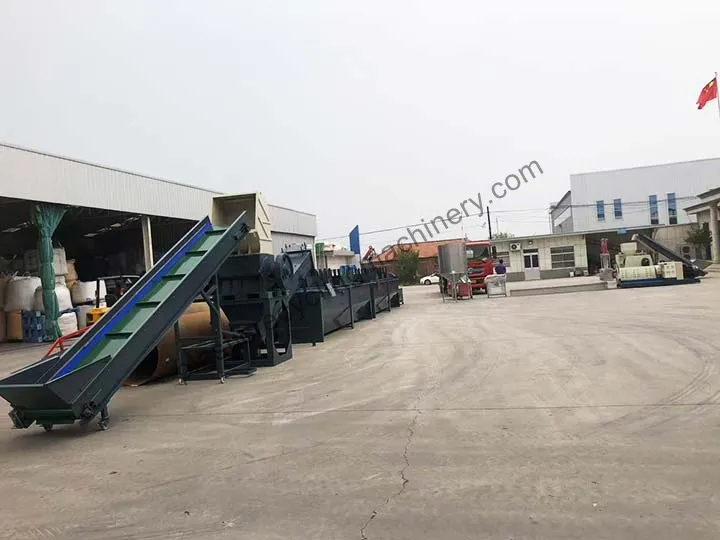
Starting a small plastic recycling plant can be a profitable and environmentally friendly business venture. However, choosing the right equipment is crucial for the success of your operation. This guide will walk you through the key considerations when selecting equipment for your small plastic recycling plant, helping you make informed decisions that align with your business goals and budget.
Assessing Your Business Needs
Before you start selecting equipment, it’s important to assess your specific business needs. Consider the following factors:
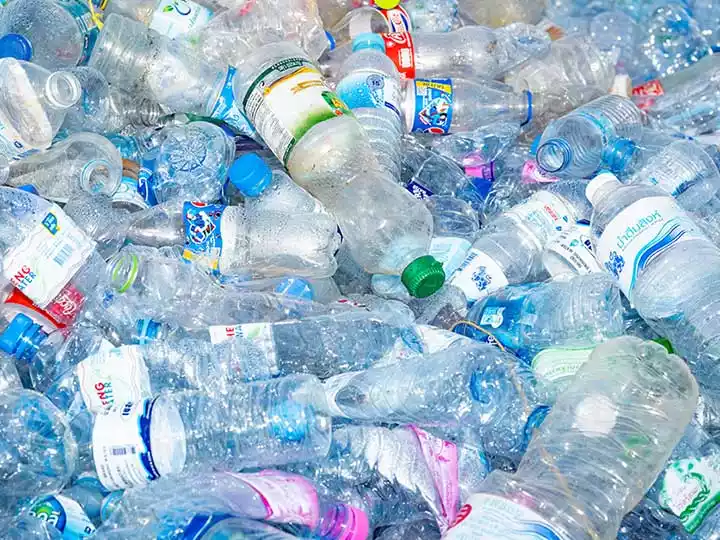
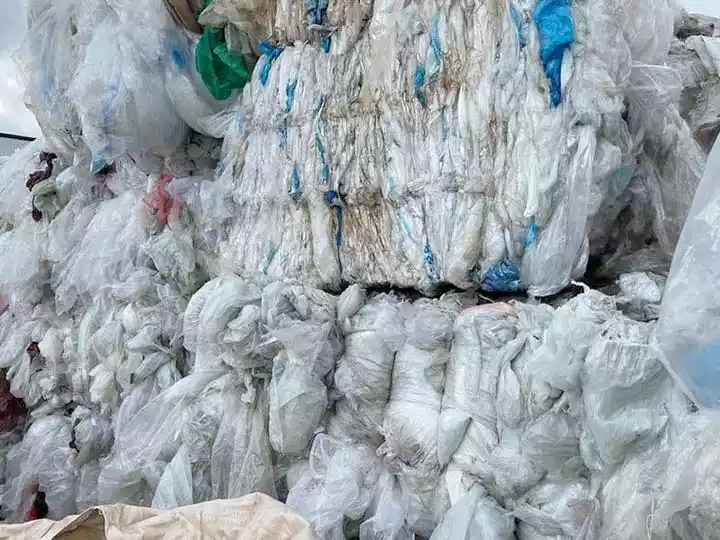
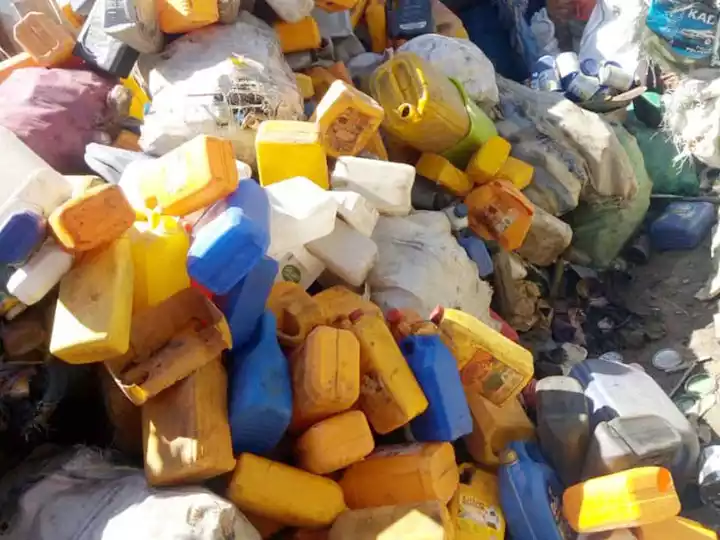
- Types of Plastics to Recycle: Determine which types of plastics you plan to process (e.g., PET bottles, HDPE containers, PP/PE films).
- Production Capacity: Estimate how much plastic you plan to process per day or per hour.
- Available Space: Measure the available space for your recycling plant, including both indoor and outdoor areas.
- Budget: Set a realistic budget for equipment purchase and installation.
- Local Regulations: Research local regulations regarding plastic recycling and waste management.
Essential Equipment for Small Plastic Recycling Plants
1. Sorting Equipment
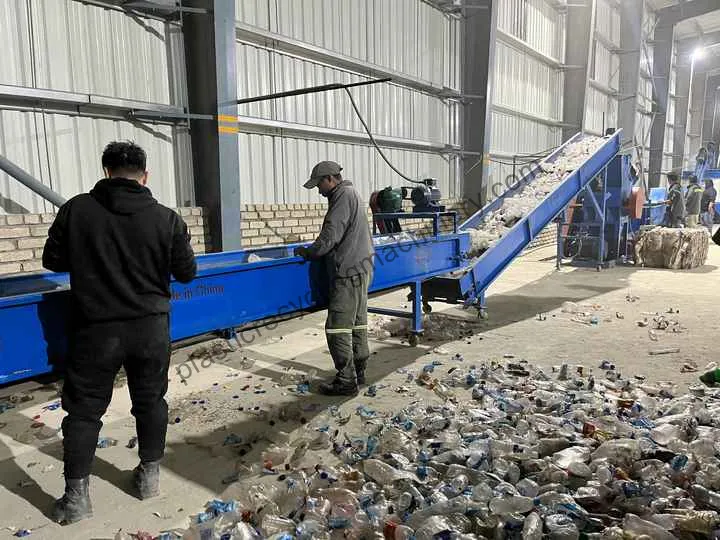
Sorting is the first step in the plastic recycling process. For small plants, you have several options:
- Manual Sorting Stations: Cost-effective for small operations, requiring workers to sort plastics by type.
- Semi-Automated Sorting Systems: Combine manual sorting with basic mechanical separation.
- Optical Sorting Machines: More expensive but highly efficient for sorting different plastic types.
2. Crushing and Shredding Equipment
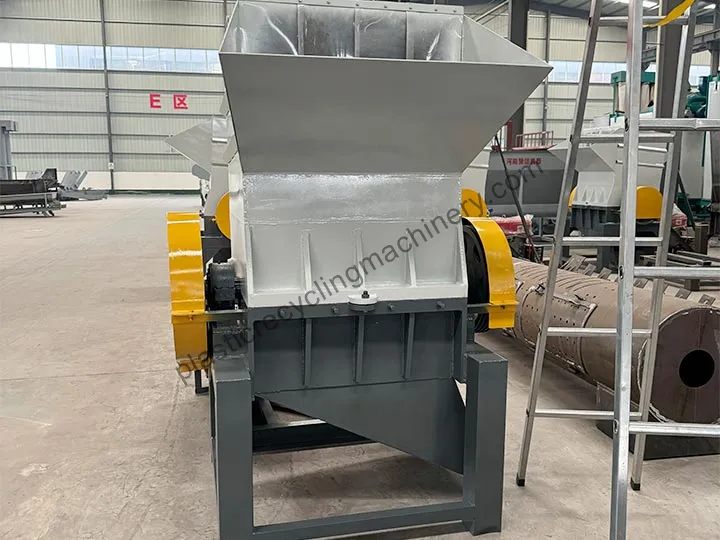
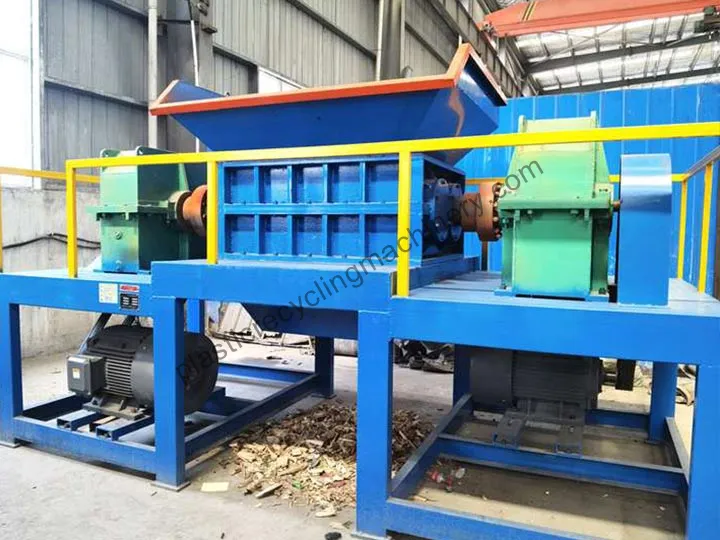
Crushing and shredding equipment reduces plastic waste into smaller pieces for further processing. For small plants, consider:
- Plastic Crushers: Ideal for smaller volumes, available in various sizes and capacities.
- Single-Shaft Shredders: Suitable for processing a variety of plastic materials.
- Double-Shaft Shredders: More powerful, better for tougher plastics.
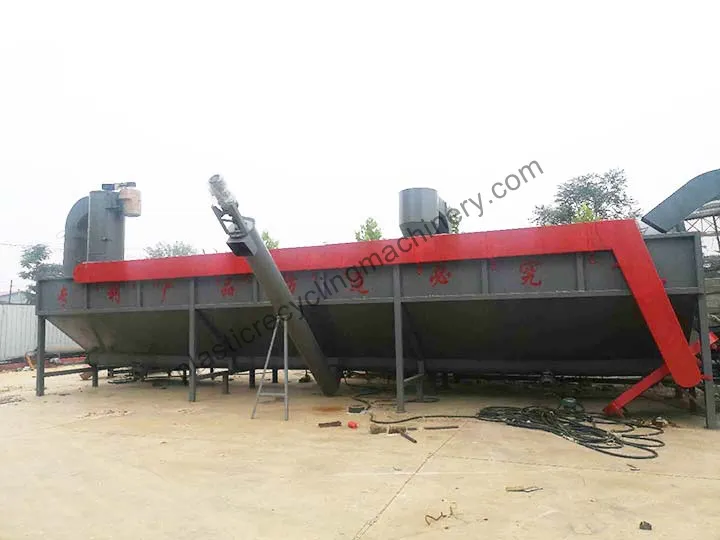
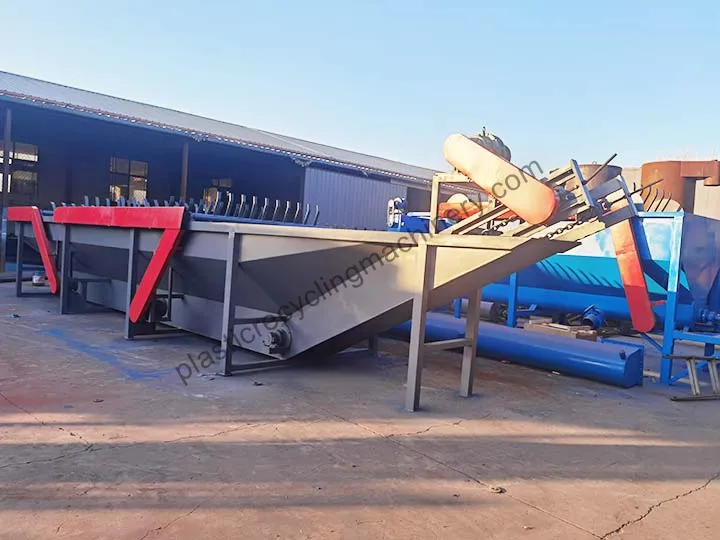
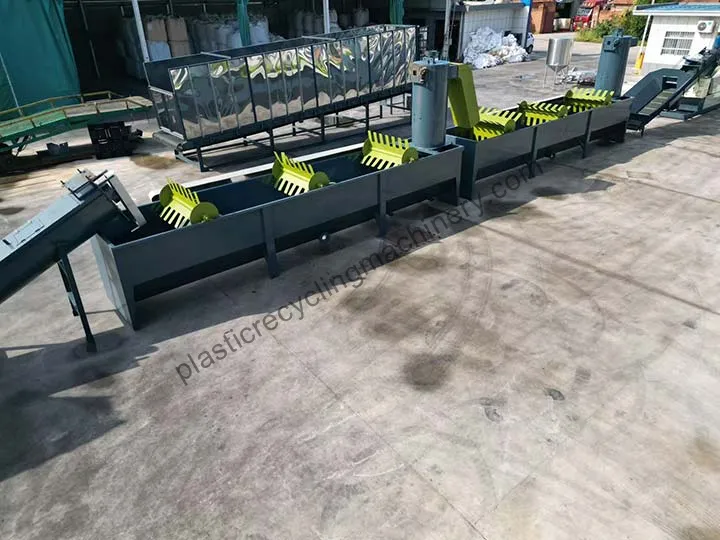
3. Washing Equipment
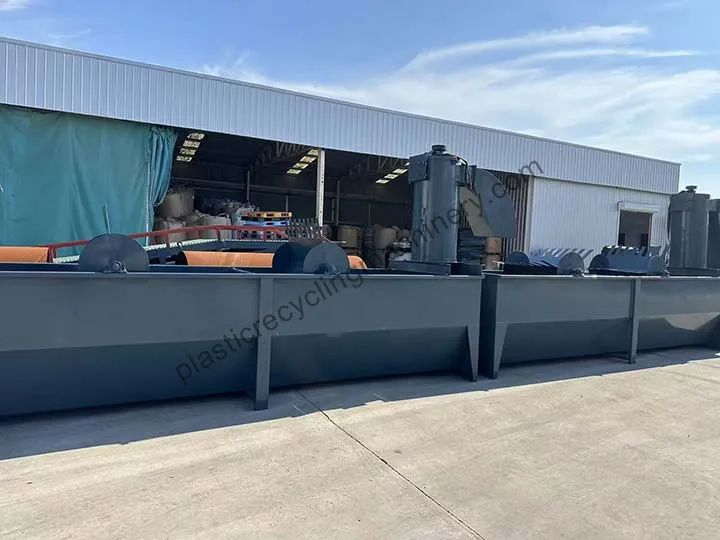
Washing equipment removes dirt, debris, and contaminants from plastic materials. For small plants:
- Washing Tanks: Basic immersion tanks for cleaning plastics.
- Float Sink Tanks: Separate plastics based on density.
4. Drying Equipment
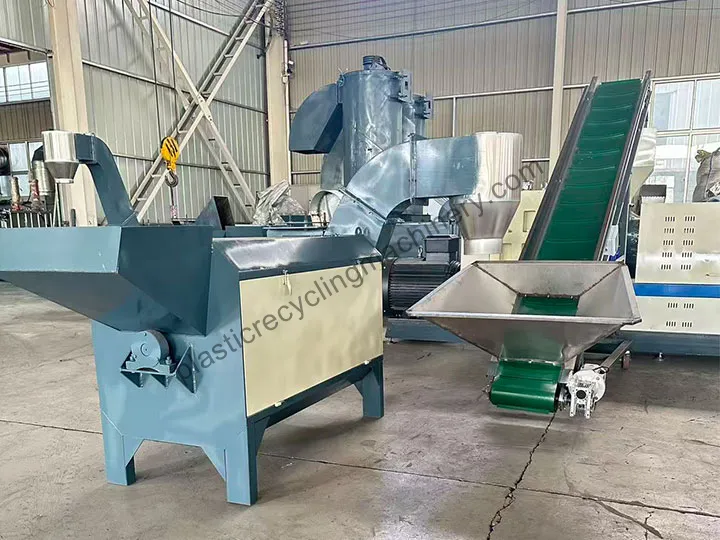
After washing, plastics need to be dried before processing. For small plants:
- Vertical Dryers: Suitable for drying various types of film materials.
- Horizontal Dryers: Provide thorough drying for various plastic types.
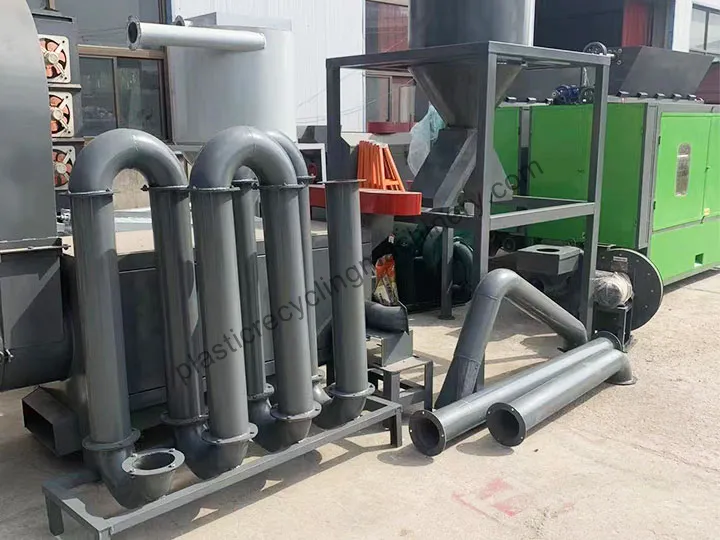
- Drying pipe: Keep the moisture content between 0.5% and 1%.
5. Pelletizing Equipment
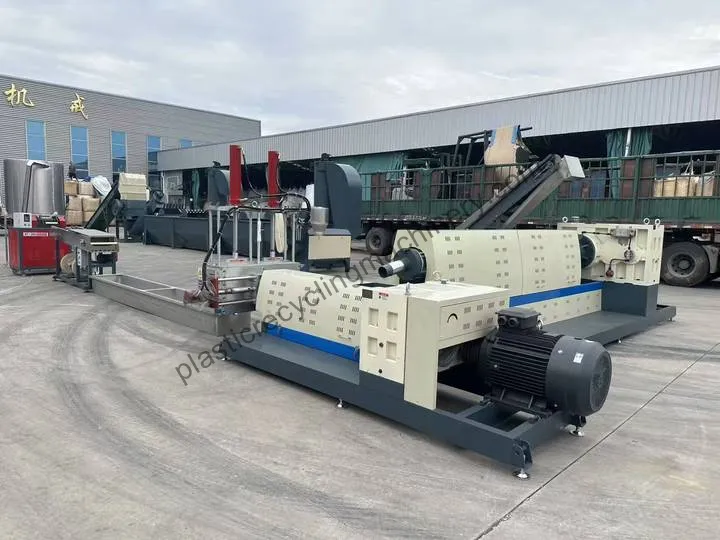
Pelletizing equipment converts cleaned and dried plastics into pellets. For small plants:
- Small-Scale Extruders: Compact extruders designed for small production volumes.
- Water Cooling Systems: Cool and solidify the extruded plastic strands.
- Pellet Cutters: Attach to extruders to produce uniform pellets.
Space Requirements
Small plastic recycling plants typically require between 500 and 2,000 square feet of space, depending on the equipment and production capacity. Consider the following when planning your space:
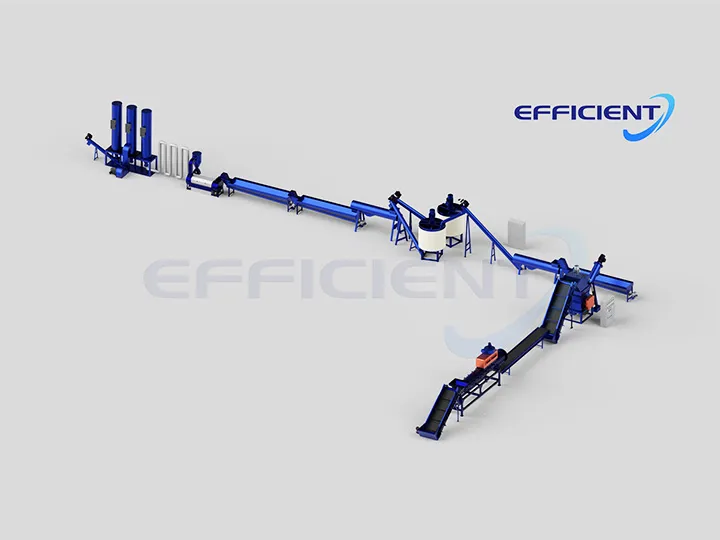
- Workflow Layout: Design a logical flow from sorting to pelletizing to minimize material handling.
- Storage Space: Allocate space for raw materials, processed materials, and finished pellets.
- Utilities: Ensure access to water, electricity, and ventilation.
- Accessibility: Allow space for loading and unloading materials.
Tips for Choosing the Right Equipment
- Start Small: Begin with basic equipment and expand as your business grows.
- Look for Modular Systems: Modular equipment allows for easy expansion.
- Check Energy Efficiency: Energy costs can be significant, so choose energy-efficient equipment.
- Consider Maintenance Requirements: Choose equipment that is easy to maintain and has readily available parts.
- Seek Expert Advice: Consult with equipment suppliers or industry experts before making purchases.
Efficient’s Solutions for Small Plastic Recycling Plants
Efficient offers a range of equipment specifically designed for small plastic recycling plants. Our solutions include:
- Compact Crushers: Small yet powerful crushers for various plastic types.
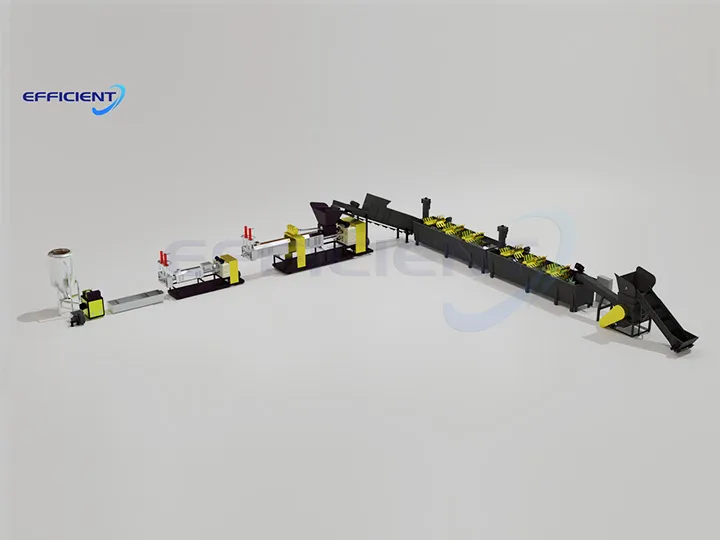
- Small-Scale Pelletizing Lines: Complete pelletizing systems designed for small production volumes.
- Customizable Solutions: Equipment tailored to your specific needs and space constraints.
- Technical Support: Comprehensive support to help you set up and optimize your recycling operation.
Our small-scale plastic recycling equipment is designed to be affordable, efficient, and reliable, making it ideal for startups and small businesses entering the plastic recycling industry.
Conclusion
Choosing the right equipment for your small plastic recycling plant is a critical decision that will impact your business’s success. By carefully assessing your needs, considering costs and space requirements, and selecting equipment that aligns with your goals, you can set up an efficient and profitable recycling operation.
Remember that starting small and scaling up as your business grows is often the best approach. With the right equipment and proper planning, your small plastic recycling plant can become a successful and sustainable business.
If you have any questions about equipment selection for your small plastic recycling plant, don’t hesitate to contact us. Our team of experts is ready to help you find the perfect solutions for your business.